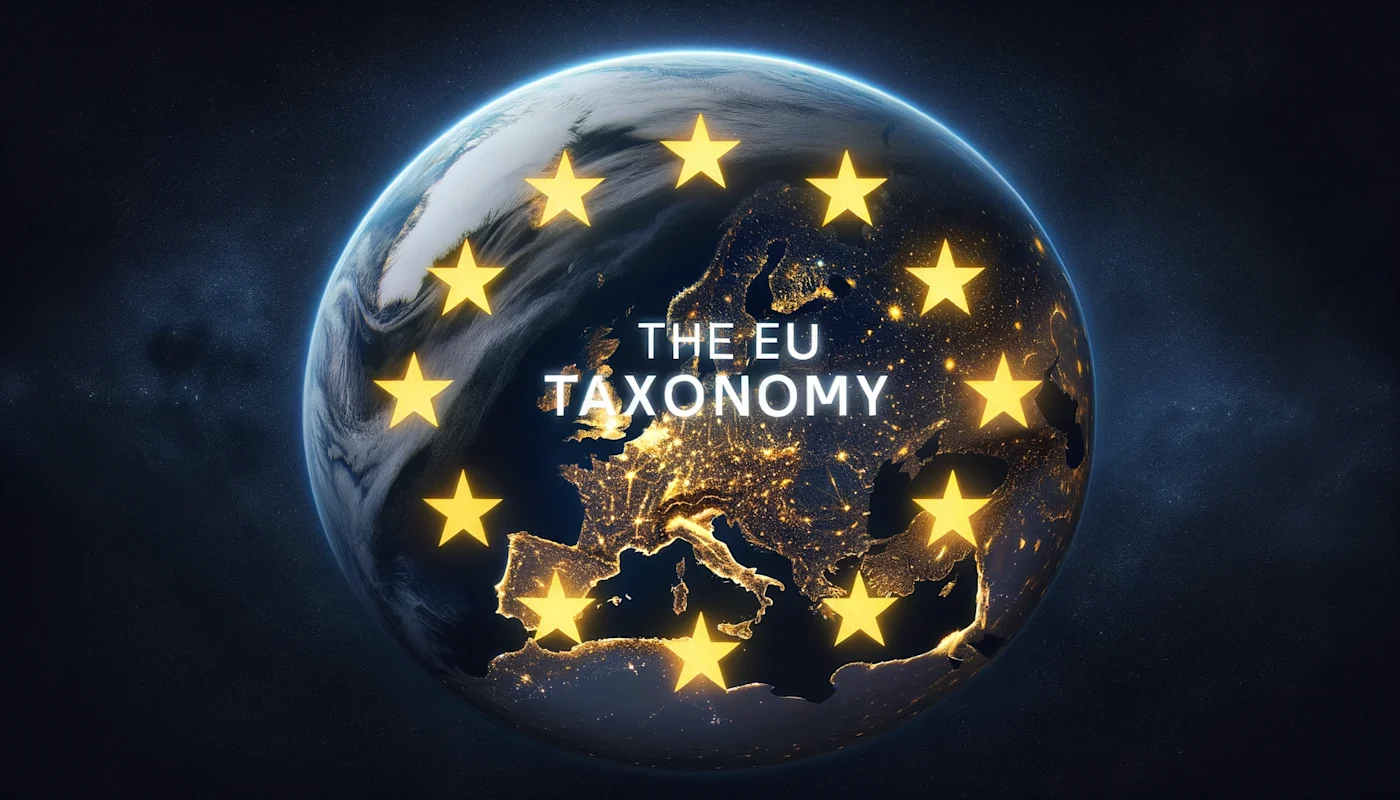
Europe's bold ambition to become the world's first climate-neutral continent by 2050, enshrined in the EU Green Deal, is driving a fundamental shift in how businesses operate. At the heart of this transformation lies the EU Taxonomy, a groundbreaking classification system that defines what constitutes "sustainable" economic activity. For businesses of all sizes, navigating this complex framework can be daunting, fraught with jargon and uncertainty. However, understanding and aligning with the EU Taxonomy offers immense opportunities for future-proofing your business, attracting investors, and securing a competitive edge in the increasingly sustainable marketplace.
What is the EU Taxonomy?
The EU Taxonomy is a dynamic roadmap, not a static destination. It's a living document continuously evolving to reflect the latest scientific understanding and technological advancements. In essence, it provides a set of technical criteria that define when an economic activity can be considered environmentally sustainable. By adhering to these criteria, businesses can demonstrate their commitment to the Green Deal's objectives and unlock access to vital funding and investment opportunities.
The Six Pillars of Sustainability
The EU Taxonomy classifies economic activities based on their contribution to six environmental objectives:
Climate Change Mitigation: Reducing greenhouse gas emissions and transitioning to renewable energy sources.
Climate Change Adaptation: Building resilience to the unavoidable impacts of climate change.
Circular Economy: Minimising waste generation and prioritizing resource reuse and recycling.
Pollution Prevention and Control: Minimising and managing pollution risks from various economic activities.
Protection and Restoration of Biodiversity and Ecosystems: Conserving and restoring natural habitats and ecosystems.
Sustainable Use and Protection of Water and Marine Resources: Managing water resources responsibly and minimizing adverse impacts on marine ecosystems.
Latest EU Taxonomy Additions in 2023-2024
Nuclear and Gas Activities
2024 welcomes the much-anticipated amendments surrounding nuclear and gas, previously classified as "transitional activities." The revised criteria tighten the screws, demanding stricter emission limits and renewable energy investments for these energy sources to maintain their sustainability label. This evolution signals the EU's unwavering commitment to long-term decarbonization goals.
Environmental Objectives Expansion
Beyond the original six objectives, the EU is actively exploring the inclusion of other crucial aspects like land use and biodiversity decline. This holistic approach reflects the interconnectedness of environmental challenges and underscores the need for comprehensive sustainability strategies.
Social Sustainability Gains Traction
While the current Taxonomy focuses primarily on environmental factors, whispers of incorporating social sustainability considerations are getting louder. Expect future iterations to address labor rights, community impact, and human capital development, paving the way for truly ethical and responsible businesses.
Green Business Practices Through SmartResilience
At SmartResilience, we understand the challenges businesses face in navigating the complexities of the EU Taxonomy. We offer a comprehensive suite of services designed to empower you to confidently meet the Green Deal's requirements and capitalize on the opportunities it presents.
Climate Resilience Gap Analysis: We assess your current operations and identify potential gaps between your activities and the EU Taxonomy criteria.
Climate Risk Scenario Analysis: We project climate risk upto the year 2100 from natural disasters such as flooding and heat stress in order to understand your exposure to climate risk related to natural disasters.
Technical Screening Criteria Support: We demystify the complex technical screening criteria for each environmental objective, guiding you through the compliance process.
Reporting and Disclosure Assistance: We assist you in preparing accurate and transparent reports showcasing your alignment with the EU Taxonomy for investors and stakeholders.
Risk Management: The mission of EU Taxonomy isn't a tick box exercise, we support your business to ensure it is climate adapted through 24x7 monitoring and improvements to your physical assets and operations
Building Value Through Sustainability Driven Business Practices
Compliance with the EU Taxonomy is essential, but it's not the end goal. Our mission is to help you embrace sustainability as a strategic driver of value creation. By aligning your business with the Green Deal's objectives, you can:
Attract Investment and Secure Funding: Green-minded investors are increasingly seeking opportunities aligned with the EU Taxonomy. Demonstrating your compliance opens doors to new sources of capital and investment.
Enhance Brand Reputation and Customer Loyalty: Consumers are becoming increasingly mindful of environmental considerations when making purchasing decisions. Aligning with the EU Taxonomy strengthens your brand image and resonates with environmentally conscious customers.
Boost Operational Efficiency and Reduce Costs: Sustainable practices often translate to resource efficiency, waste reduction, and lower operational costs, driving long-term financial benefits.
Future-Proof Your Business: The EU Taxonomy sets the bar for future environmental regulations and market standards. Proactive alignment ensures your business is well-positioned for success in a sustainable future.
Conclusion
The EU Taxonomy is not just a regulatory hurdle; it's a compass guiding the future of European business. By leveraging SmartResilience's expertise and comprehensive services, you can navigate this complex landscape with confidence, transform your business into a champion of sustainability, and unlock a world of new opportunities. Remember, the journey towards a green future starts with a single step. Take that step today and let SmartResilience be your trusted partner on the path to sustainable success.