The earth’s climate is rapidly changing and causing extreme shifts in temperatures and weather patterns, causing natural disasters around the globe [1]. The scientists are certainly clear that these changes are a result of global warming due to the rise in greenhouse effects, which are contributed by large amounts of greenhouse gas emissions into the atmosphere from burning fossil fuels [2]. Climate change poses a significant risk for every segment of society. As businesses, organisations, and corporations are experiencing the impact of climate change, it has become more evident that climate risk directly translates into financial risk. The climate crisis presents various risks to the financial stability of all organisations [3]. However, organisations should enhance their capabilities to access and manage climate risks that are relevant to their business operations.
What is Climate Risk?
Climate risk is described as the potential negative impact on human societies and ecological systems as a result of climate change. It includes extreme weather changes and severe shifts in climate patterns on the earth that can jeopardise the livelihood, health, and well-being of humankind. The risk poses a potential hazard to businesses, supply chains, infrastructure, and the overall economy of any country. Understanding and assessing climate risk is vital for creating and implementing effective strategies to minimise climate change impacts and enhance resilience [3].
For businesses and organisations, climate risk can negatively affect their financial performance. Those consequences range from trivial disruptions to asset devaluation or operational failure. Given the potential severity of these unfavourable circumstances, mitigating the uncertainty regarding climate risk outcomes is paramount for smooth business operations. Therefore, understanding climate risk is pivotal for organisations to reduce the severity of outcomes from climate change and take adaptive measures to prevent future events.
These risks can be broadly categorised into two types [4]:
Physical Risks: Risks that are associated with physical repercussions of climate change.
Transition Risks: Risks accompanying the transition towards the low-carbon economy.
Physical Risks
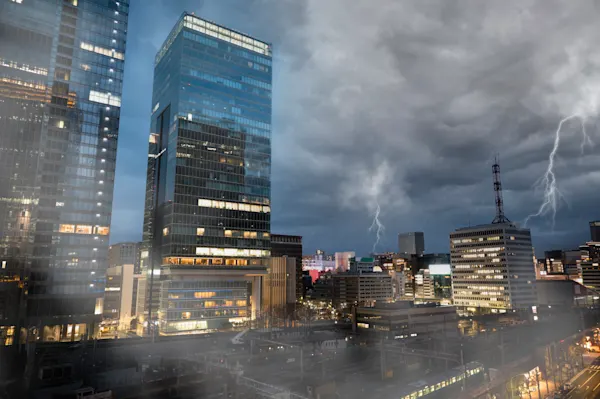
Physical risks of climate change are the tangible impacts of the environment that can cause physical damage to infrastructure, like floods, storms, hurricanes, and wildfires [5]. The consequences of physical risks burden direct financial costs for organisations. For example, if business infrastructure or a building is damaged by a thunderstorm, it will lead to additional repair and replacement expenses. Moreover, extreme weather conditions can also raise indirect costs such as supply chain interruptions and business operational disturbances [6].
Climate-related physical risks can be further classified into two types :
Acute: Physical risks that are driven by a natural occurrence, including high-severity weather events such as floods, cyclones, hurricanes, or thunderstorms.
Chronic: Physical risks that happen due to changes in weather patterns over the longer-term period, such as prolonged high temperatures and heat waves that can raise sea levels or changes in precipitation patterns.
Financial Impacts of Physical Risks
Organisations are continuously vulnerable to the potential physical risk of climate change. This will lead to the addition of significant financial costs to the company over the coming decade. The annual nature of these costs, coupled with their cumulative effect over the long term, presents a substantial financial threat to numerous organisations in the absence of adaptation and resilience strategies [7].
Physical risks emerging from climate change encompass direct consequences to companies, such as property damage from extreme weather events, and indirect disruptions like supply chain breakdowns. Additionally, financial performance can be negatively impacted by altered availability of water resources, food quality and security concerns, and extreme temperature fluctuations. These changes can affect a variety of organisational aspects, including operational facilities, and core business. functions, supplier networks, transportation requirements, and employee well-being [8].
Transition Risks
Transition risks of climate change are all the risks that emerge from the activities to transition the economy away from fossil fuel consumption towards carbon neutrality [6]. The global temperature is continuously rising due to greenhouse gas emissions, and scientists consider a rise in temperature from 1.5oC a serious threat to the planet. The earth is already 1.1oC above pre-industrial levels, and decarbonisation is a necessary process to stabilise the environment over the long term [9]. Every business should have a decarbonisation policy, but there is a cost associated in decarbonising assets and operations of any firm, which represents a transition risk [10].
Transition risks for any company can be categorised into the four types [8]:
Policy and Legal: Policy and legal framework present the evolving landscape of climate change for organisations with a dual challenge: mitigation and adaptation. Policy actions aim to either curb activities exacerbating climate change or bolster organisational resilience against its effects.
Technology: Technological advancements fostering a low-carbon, energy-efficient economy can significantly impact businesses. Technology is an ever-changing area where new systems replace old systems and create uncertainties, which can become a technology risk for organisations.
Market Changes: When the climate-related risks and possibilities accelerate, there is a significant change in supply and demand for certain products and services, which could complicate the market structure.
Reputation: Climate change poses a potential reputational risk to organisations. This risk stems from evolving customer and community perceptions regarding an organisation's contribution to, or hindrance to, the shift towards a lower-carbon economy.
Financial Impacts of Transition Risks
The heterogeneous nature of all types of transition risks can result in a wide range of financial and reputational risks for organisations. For example, a change in government policy can reduce the demand or increase the cost of certain products and services, such as by imposing fines and duties. Similarly, there is considerable cost involved in adopting and deploying technology to substitute existing products and services with low-carbon emission options [4].
Transition risks related to market change represent high uncertainty for businesses. The shift in consumer preferences can squeeze the demand for certain products and services. Moreover, consumers are now more aware of sustainable products, which can impact the overall reputation of a company if some goods are manufactured from fossil fuel consumption. Therefore, stakeholders can raise concerns over the production methods and techniques, which would impact the credibility of an organisation [4].
Climate-Related Opportunities
While mitigating financial risk necessitates a comprehensive assessment of both physical and transition risks, it is crucial to recognise the simultaneous emergence of significant investment and innovation opportunities in sustainable solutions. Climate adaptation strategies, encompassing seawall construction, desalination technologies, and novel agricultural practices, present a multitude of business prospects. Furthermore, the transition to a low-carbon economy offers substantial commercial opportunities as advancements in renewable energy technologies, electric vehicles, and energy efficiency propel businesses towards decarbonisation [3].
There are various climate-related opportunities based on multiple factors like region, market, and industry in which the firm operates. The five primary categories as identified by the Task Force on Climate-related Financial Disclosures (TCFD) of these opportunities are briefly explained below [8]:
Resource Efficiency: Organisations can achieve significant cost reductions through operational efficiency improvements. These improvements encompass production and distribution processes, buildings, machinery/appliances, and transportation/mobility, with a particular focus on energy efficiency. Technological advancements further facilitate this transition. Examples include the development of efficient heating solutions and circular economy models, advancements in LED lighting and industrial motor technology, building retrofits, utilisation of geothermal power, water treatment and usage solutions, and the development of electric vehicles.
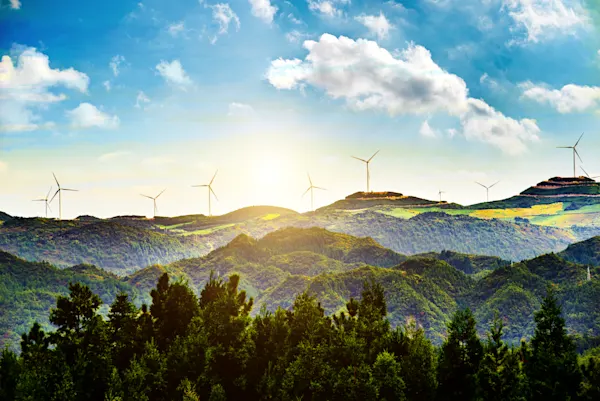
Energy Source: The International Energy Agency (IEA) emphasises the importance of shifting towards low-carbon energy sources like wind, solar, hydro, geothermal, and nuclear power, alongside biofuels and carbon capture technologies, to achieve global emission reduction targets. This critical transition can be achieved by adopting renewable energy generation. The increased adoption of clean energy technologies, driven by declining costs and advancements in storage capabilities, prompts organisations to migrate their energy consumption towards low-emission sources for potential cost savings and environmental benefits.
Products and Services: Businesses have the opportunity to take advantage of shifting consumer preferences by developing and producing low-carbon products and services. For example, consumer goods and services with a label of low carbon footprint can be a marketing advantage in segments such as travel, food, fashion, etc. Similarly, producing goods and services that emphasise energy-efficient measures in the supply chain can add value to their business proposals.
Markets: Proactive organisations seeking opportunities in unexplored markets can enhance their resilience during the transition to a low-carbon economy. Collaboration with governments, development banks, and local stakeholders in both developed and developing countries trying to shift to a lower-carbon economy presents enormous potential to access these new markets. Additionally, participation in green infrastructure projects (renewable energy, energy efficiency, or sustainable transportation) offers further avenues to capitalise on this economic shift.
Resilience: Organisations are adjusting to climate change-related risks, and also taking advantage of climate-related opportunities. But to achieve this, organisations should have been resilient enough to prepare themselves for the potential damage of ongoing climate change. Companies that have long-lasting physical assets, widespread supply or distribution networks, and rely on public services or infrastructure, as well as those that need long-term financing and investment, may find many opportunities to enhance resilience.
Conclusion
Climate change presents a multifaceted challenge for organisations, demanding a comprehensive understanding of the associated risks. The two primary categories of climate risk, including physical risks and transition risks, have a greater impact on business operations and supply chains. Effectively managing climate risk requires a multi-faceted approach. Organisations must not only adapt to the physical impacts of climate change but also embrace the opportunities presented by the transition to a low-carbon economy.
How can SmartResilience help?
SmartResilience is your dedicated climate partner that helps businesses navigate the challenges of climate change. We provide organisations with the tools and expertise needed to assess and mitigate climate-related risks, supporting them for long-term sustainability and success.
SmartResilience can help your business thrive in a changing world by offering the following services:
Comprehensive Physical Risk Assessments: SmartResilience in-depth assessments pinpoint vulnerabilities to extreme weather events and other climate-related hazards. This comprehensive approach assists you in meeting the Corporate Sustainability Reporting Directive (CSRD) requirements by ensuring transparent disclosure of climate risks and their potential impacts.
Future-Oriented Scenario Analysis: Our scenario analysis tools evaluate how different climate scenarios could impact your business operations. By considering diverse possibilities, you can strategically plan for the future and improve both financial and strategic resilience, aligning perfectly with the CSRD's mandate for future-proof planning.
Tailored Risk Management Strategies: SmartResilience goes beyond simply identifying risks. SmartResilience develops comprehensive risk management strategies tailored to your needs. These solutions reduce identified physical risks and proactively protect your business from climate impacts, directly aligning with the CSRD's focus on proactive risk management and adaptation measures.
Ongoing Compliance Support: We provide ongoing support to ensure your sustainability reporting remains compliant with evolving CSRD requirements. This commitment includes regular updates reflecting the latest regulations, staff training to maintain expertise, and consistent monitoring to guarantee accurate and up-to-date disclosures.
The future may be uncertain, but together, we can proactively build resilience. By partnering with SmartResilience, you can navigate the changing climate with confidence and clarity. Contact us today and embark on a journey towards a sustainable future together.
References
[1] W. B. Group, “What is Climate Change ?,” World Bank Climate Change Knowledge Portal. Accessed: May 29, 2024. [Online]. Available: https://climateknowledgeportal.worldbank.org/
[2] UNFCCC, “Introduction to Science in the UNFCCC,” The United Nations Framework Convention on Climate Change (UNFCCC). Accessed: May 29, 2024. [Online]. Available: https://unfccc.int/topics/science/the-big-picture/introduction-science?gad_source=1&gclid=CjwKCAjwgdayBhBQEiwAXhMxtljT2XvFBl6W_GxrxHty9xlS_ADneBD5oTh_pueOa3Ii1Q9acKt1ChoCySEQAvD_BwE
[3] Persefoni, “What is Climate Risk: Understanding Physical & Transition Risks - Persefoni,” Persefoni. Accessed: May 30, 2024. [Online]. Available: https://www.persefoni.com/blog/climate-risk-what-are-physical-transition-risks
[4] US EPA, “Climate Risks and Opportunities Defined,” United States Environmental Protection Agency. Accessed: May 31, 2024. [Online]. Available: https://www.epa.gov/climateleadership/climate-risks-and-opportunities-defined
[5] P. Divecha, “Case Study: Physical and Transition Climate Risk – Two sides of the Same Coin?,” Oct. 11, 2023. Accessed: May 31, 2024. [Online]. Available: https://www.spglobal.com/marketintelligence/en/news-insights/blog/case-study-physical-and-transition-climate-risk-two-sides-of-the-same-coin
[6] H. Beddow, “What’s the difference between physical vs. transition climate risk?,” Cervest. Accessed: May 31, 2024. [Online]. Available: https://cervest.earth/news/whats-the-difference-between-physical-vs-transition-climate-risk
[7] S&P Global, “Quantifying the financial costs of climate change physical risks for companies,” S&P Global. Accessed: Jun. 03, 2024. [Online]. Available: https://www.spglobal.com/esg/insights/featured/special-editorial/quantifying-the-financial-costs-of-climate-change-physical-risks
[8] TCFD, “Recommendations of the Task Force on Climate-Related Financial Disclosures,” Task Force on Climate-related Financial Disclosures, Switzerland, Report on Climate Risks, Jun. 2017. [Online]. Available: https://assets.bbhub.io/company/sites/60/2021/10/FINAL-2017-TCFD-Report.pdf
[9] T. Duque, “New UN Report: Limiting Global Warming to 1.5 Degrees Celsius Requires Deep Decarbonization Across All Sectors,” Berkeley Lab News Center, University of California, Mar. 22, 2023. Accessed: Jun. 03, 2024. [Online]. Available: https://newscenter.lbl.gov/2023/03/22/new-un-report-limiting-global-warming-requires-deep-decarbonization/
[10] Cervest, “What is climate risk, and what does it mean for your organization,” Cervest. Accessed: May 30, 2024. [Online]. Available: https://cervest.earth/news/what-is-climate-risk-and-what-does-it-mean-for-your-organization