Human activities like burning fossil fuels and cutting trees contribute to the rise in greenhouse gas (GHG) emissions. The GHG emissions are increasing the greenhouse effect and resulting in global warming. Besides affecting human livelihoods, global warming is also posing a serious threat to businesses worldwide. It presents a substantial risk to business operations, supply chains, and investments. On the other hand, numerous opportunities for innovation and growth are hidden under climate change. Organisations are continuously transforming themselves to combat climate change risks and exploit opportunities for growth and business continuity. Climate change risk assessment and management are a crucial part of climate adaptation and mitigation strategies. Climate risks affect every division of an organisation, including operation, supply chain, and investors' decision-making process. Therefore, proper identification and quantification of climate change risks are of utmost importance to companies as well as governments [1], [2].
What Is Climate Risk?
Climate risk presents the potential damaging events caused by climate change. These negative events can impact the environmental, social, and governance matters in addition to the financial factors of any organisation. The negative consequences of climate change comprise a range of potential hazards, such as global warming, extreme weather events, and long-term changes in climate patterns. Climate risk affects every segment of society, including businesses, their supply chains, infrastructure, investments, and the economy at large. Understanding climate risk is imperative for organisations to develop effective strategies to mitigate its impacts and build resilience in the face of a changing climate. There are two types of climate-related risks: physical risks and transition risks [3]:
1. Physical Risks
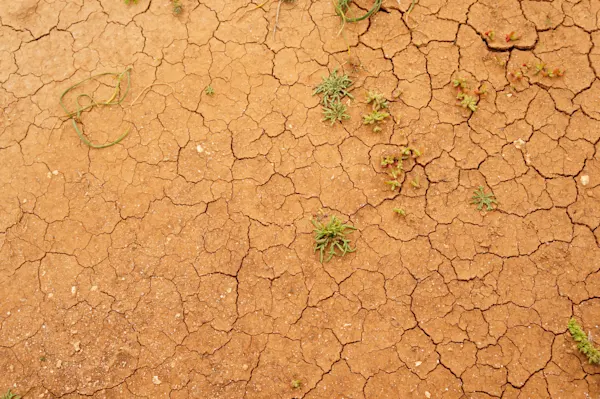
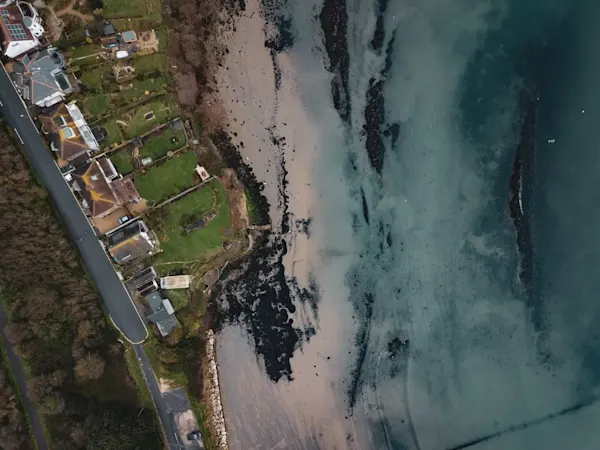
Physical risks are related to the tangible impacts of climate change. These risks directly affect the financial outcome of any organisation. Physical risks are further divided into acute risks and chronic risks. Acute physical risks originate from the short-term rises in the severity of extreme climate events such as floods, cyclones, hurricanes, and heat waves. Chronic physical risks are linked with long-term shifts in climate patterns, for example, increasing global warming, rising sea levels, and extreme weather changes [4].
2. Transition Risks
Transition risks happen when an organisation attempts to transition away from fossil fuel-based consumption to renewable energy and proceed towards the goal of achieving a low-carbon economy. Whenever a business tries to address mitigation and adaptation requirements related to climate change, it follows a transition process that requires policy, legal, technological, and market changes to happen. Transition risks may represent different levels of financial and reputational risk to organisations, depending on the nature, momentum, and concentration of these changes [4].
The Need For Climate Risk Assessment For Businesses
Climate risk assessment and management provides a framework for understanding how climate change will impact your business. Climate Risk Management (CRM) is a strategic framework designed to address the various impacts of climate change, encompassing both acute extreme weather events and chronic long-term shifts. By leveraging comprehensive climate risk assessments (CRA), CRM integrates established and innovative strategies from climate change mitigation, adaptation, and disaster management into a holistic approach. The main objective of CRA is to effectively prevent, minimize, and respond to damage associated with climate impacts. Climate risk assessment and management helps organisations get the following benefits [5]:
Protecting Business Operations: Climate events can disrupt day-to-day business operations, causing financial losses and reputational damage. Proper assessment of climate risk prevents disruption in operating business.
Ensuring Supply Chain Resilience: Supply chains are vulnerable to climate impacts, and disruptions can have cascading effects on production and delivery. CRA ensures companies that their supply chain functioning continues without any disturbance.
Safeguarding Investments: Climate risks can affect asset values and investment returns, making it crucial to assess these risks for informed decision-making.
Climate Risk Assessment & Management Tools
Climate change risk assessments are an important part of adaptation and resilience-building strategies. The global frameworks, such as the United Nations Framework Convention on Climate Change (UNFCCC) and its key agreement, the Paris Agreement 2015, highlight the importance of evidence-based risk assessment to guide public policy. Organisations continuously utilise various tools for identifying, assessing, and managing climate-related risks. Four of the publicly available tools are discussed here that are recommended for evidence-based risk assessment:
A. Climate and Disaster Risk Screening Tool By World Bank
The climate and disaster risk screening tool provides two types of assessments: The rapid assessment tool for faster risk assessment and short-term disaster risks, and the in-depth assessment tool for detailed evaluation of current and future climate and disaster risks. Climate and disaster risk screening can be done in the following four stages [6]:
Exposure:
Evaluate the extent to which the project's location is vulnerable to climate change and geophysical risks.
Impact:
Analyse the potential effects of identified hazards on the project's physical assets and recipients. Begin formulating risk mitigation strategies to minimize potential adverse outcomes.
Adaptive Capacity:
Assess the project's ability to adapt to these risks, focusing on non-physical aspects like organisational policies and resource availability. Also, evaluate how vulnerable populations within the project’s scope might be affected.
Overall Risk Rating:
Determine the overall risk level by synthesising findings from exposure, impact, and adaptive capacity assessments. Assign a risk rating that reflects the project's vulnerability and resilience to climate and geophysical challenges.
B. CLIMADA App - The Economics of Climate Adaptation (ECA)
CLIMADA App built by the European Insurance and Occupational Pensions Authority (EIOPA) is an open-source modelling tool used for climate change analysis. EIOPA developed this app as an initiative for research and development in climate science. The app further helps in minimising the gap between climate scientists and the insurance industry/supervisors. CLIMADA utilises the latest probabilistic modelling to predict climate risks from the perspective of economic and social damages. CLIMADA is a quantitative modelling application that provides the simulation of thousands of impacts of hazardous climatic events, which further assist scientists in assessing the vulnerabilities of an organisation’s assets and people. CLIMADA not only assists climate engineers in assessing harmful climate events but also facilitates them to give a robust analysis of the cost and benefit of climate adaptation and mitigation measures. The model is appropriately designed to offer an unbiased and transparent perspective on physical risk, consistent with initiatives like the TCFD (Task Force for Climate-related Financial Disclosure), and supports the Economics of Climate Adaptation (ECA) framework [7].
C. Assessing Business And Industry Risks For The UKCCRA Process
The UK Climate Change Risk Assessment (UKCCRA) process is a methodological approach for assessing and investigating short-term extreme weather events and predicting the long-term effects of chronic climate change on business and industry in the UK. UKCCRA’s statutory process is mandated by the UK’s Climate Change Act 2008. Under the UKCCRA process, organisations can assess and manage the current climate changes as well as future climate variability. Moreover, companies can formulate strategies through the identification of physical risks, reputational risks, regulatory risks, and litigation risks. Conducted every five years, the UKCCRA aims to inform public policy and guide adaptation planning by assessing the severity and urgency of climate-related risks. This risk assessment serves dual purposes: helping businesses understand site-specific risks and guiding government efforts to address systemic challenges. Through its evidence-based framework, UKCCRA provides actionable insights for building resilience and seizing opportunities in a changing climate [8].
D. Scenario Analysis by TCFD
The Task Force on Climate-related Financial Disclosures (TCFD) published their recommendations in 2017 regarding climate-related financial risk disclosures. Scenario analysis, as recommended by TCFD, is a well-recognised method for organisations to fully understand and quantify the risks and uncertainty in predicting future climatic events. In light of the findings from scenario analysis, companies can concentrate on the key risks and opportunities that have the most significant impact on their business models. This ultimately enables them to formulate their mitigation strategies and respond effectively to these risks through informed strategic decisions. The major recommendation under scenario analysis is to take into account a ‘2°C or lower scenario’ that aligns with the 2015 Paris Agreement. This low-carbon scenario focuses on ‘transition risks’, examining the rapid changes required in policy, technology, market, and reputational risks to reduce emissions according to the Paris Agreement. Organisations also undertake ‘physical’ risk scenarios that emphasise risks like increasing temperatures, rising sea levels, and variations in the frequency and intensity of extreme weather events, including droughts and storms [9].
Climate Risk Management for Business Operations
Organisations around the world are facing multiple challenges in running their business operations due to climate change impacts. Climate risk poses obvious threats to companies' business operations in terms of physical risks such as extreme weather events and transition risks such as technological changes. There is a six-step approach for climate risk management for business operations as recommended by BSR [10]:
1. Set Strategy and Objectives
Developing a climate risk management strategy is vital for aligning stakeholders and addressing business challenges. The strategy-setting process should be based on external trends and acceptable risk levels, which fosters value creation. Climate scenario analysis provides meaningful strategic conversations, helping organisations anticipate impacts, adapt effectively, and ensure long-term resilience.
2. Building Governance Framework
The responsibility of building and maintaining climate resilience is shared across all stakeholders, including boards, management, and functional teams. A corporate culture that recognises the cascading impacts associated with climate-related risks is essential to implementing an effective response to those risks. The Climate Risk Integration Framework guides in implementing best practices at the board level and management level to mitigate climate challenges and leverage organisational sustainability.
3. Identify Risks, Analyze Impacts And Integrate Into ERM Processes
Identifying and prioritising climate risks is the first step in managing them effectively. The Climate Risk Integration Framework helps companies assess and incorporate these risks into their existing risk management processes. Integrating climate considerations into Enterprise Risk Management (ERM) improves resource allocation, overall risk assessment, and enhancing resilience.
4. Establish Response Plans and Implement Response
Response plans aim to minimise exposure and reduce the potential impact of priority climate risks. The Risk Mitigation Guidance ensures responsible decision-making by addressing cascading effects, and enhancing the effectiveness of climate risk responses.
5. Monitor and Review Performance
Businesses should regularly monitor and assess their resilience strategies to evaluate effectiveness in reducing climate risks. The Resilience Metrics Framework helps create tailored metrics, guiding necessary adjustments to improve mitigation efforts and outcomes.
6. Communicate and Report
With growing ESG disclosure requirements, companies must align with global standards, particularly the TCFD guidelines, to report climate risks. Preparing for upcoming regulations will ensure compliance and enhance communication with stakeholders.
Climate Risk Management for Supply Chains
The supply chain serves as the backbone of any organisation, and any interruption could have significant future consequences. Both physical and transition risks can disrupt an organisation's supply chain. To mitigate the risk of supply chain disruptions due to climate change, a company should follow these four steps [11]:
1. Mapping the Supply Chain
Mapping offers critical insights into supply chain structure and dynamics. This involves identifying all stakeholders, analysing supplier relationships, tracking costs and timelines, and understanding information flow. For example, companies using agricultural inputs can chart production processes, locations, costs, and timelines, revealing constraints and pinpointing areas for risk assessment.
2. Climate Change Risk Assessment
Conducting a climate change risk assessment helps companies identify potential disruptions and evaluate their supply chain vulnerabilities. This involves analysing current and future risks, ranking their severity, and assessing recovery timelines. For instance, managers can evaluate climate impacts on specific supply chain nodes, prioritise mitigation strategies, and build operational resilience.
3. Develop A Strategy to Address Risks
After assessing climate risks in the supply chain, businesses should create tailored strategies to mitigate these risks. Potential actions include strengthening key supplier relationships, increasing inventory, and diversifying the supplier base to reduce dependencies. Additionally, using predictive analytics and mapping secondary supply chains can enhance risk awareness and improve responsiveness to disruptions.
4. Implement, Monitor and Update
After developing a strategy, companies must implement it by collaborating across departments. Business leaders and environmental experts should create a clear action plan, assign new roles, and integrate technology like predictive analytics for efficient risk tracking. Continuous monitoring of emerging risks and system updates will ensure ongoing resilience.
Climate Risk Management for Investments
Climate change presents a serious financial risk for businesses. As global warming continues to increase, the devastating effects of climate change could negatively impact businesses and raise financial risks. Investors and shareholders have rising concerns, and they are factoring in financial risks in their portfolio construction process. Companies can take the following two steps to minimise investor’s concerns:
1. Highlight Opportunities for Climate Change
Companies can take advantage of their sustainability ratings by investing in incorporating sustainability into their organisational structure. For example, a courier company can include electric vehicles in their vehicle fleet. This not only has a good environmental impact but also enhances customer’s perceptions of sustainability. Moreover, a manufacturing concern can adopt renewable energy for their electricity needs. In this way, a company not only saves their financial expenditures in the long term but also makes its journey towards becoming a carbon-neutral organisation [12].
2. ESG Disclosures & Reporting
According to the Corporate Sustainability Reporting Directive (CSRD) which came into force on 1st January 2024, all big and listed EU companies should report and disclose all sustainability data besides publishing financial data. Similarly, the Task Force on Climate-related Financial Disclosure (TCFD) also recommends organisations on how to integrate sustainability measures into their business operations. Businesses can take advantage of ESG & Sustainability disclosures to inform investors about their progress and development on climate-related measures. Stakeholders get valuable information through ESG reporting and feel confident about making investments in the company [13].
Conclusion
Effective climate risk management is essential for businesses to navigate the challenges posed by climate change while maintaining resilience and sustainability. From mapping supply chains and assessing risks to developing and implementing targeted strategies, each step provides a comprehensive framework for addressing vulnerabilities and building robust operational systems. Leveraging advanced technologies like predictive analytics and risk assessment tools enhances visibility, and improves decision-making. By continuously monitoring risks and updating mitigation strategies, companies can ensure long-term sustainability and protect their operations, supply chains, and investments from climate-related threats. A forward-thinking approach that integrates climate considerations into core business functions not only safeguards assets but also positions businesses to seize new opportunities in a changing global landscape.
How SmartResilience Can Help?
Smart Resilience is a company dedicated to empowering businesses to navigate the challenges of climate change. With a focus on sustainability and long-term success, we offer tailored solutions to assess and mitigate climate-related risks. Our comprehensive suite of services empowers businesses to combat climate challenges while aligning perfectly with the requirements of the Corporate Sustainability Reporting Directive (CSRD).
Our comprehensive services include:
Physical Risk Assessments: SmartResilience conducts in-depth physical risk assessments, to identify vulnerabilities to extreme weather events and other climate-related hazards. These assessments directly address the CSRD's mandate for climate risk disclosure and potential impacts.
Scenario Analysis: SmartResilience scenario analysis tools evaluate the impact of diverse climate scenarios on your business operations. By strategically considering various possibilities, you can plan for the future, enhance financial resilience, and align seamlessly with the CSRD's mandate for future-proof planning.
Risk Management Strategies: SmartResilience goes beyond identification by developing comprehensive and tailored risk management strategies. Our solutions safeguard businesses against climate change impacts, emphasising the CSRD’s call for proactive adaptation measures.
Ongoing Compliance Support: SmartResilience provides continuous support to ensure your sustainability reporting remains compliant with evolving CSRD requirements. Our services include regular updates to reflect the latest regulations, staff training to maintain expertise, and vigilant monitoring for accurate and up-to-date disclosures.
Partnering for a Sustainable Future:
The future may be uncertain, but by building resilience together, we can address climate change with confidence and clarity. Contact us today to embark on a journey towards a sustainable future.
References
[1] European Commission, “Causes of Climate Change,” European Commission. [Online]. Available: https://climate.ec.europa.eu/climate-change/causes-climate-change_en
[2] T. O’Neill, “New Course: Risks, Opportunities, and Investments in the Era of Climate Change,” The Salata Institute. [Online]. Available: https://salatainstitute.harvard.edu/risks-opportunities-and-investments-in-the-era-of-climate-change/
[3] Persefoni, “What is Climate Risk: Understanding Physical & Transition Risks - Persefoni,” Persefoni. [Online]. Available: https://www.persefoni.com/blog/climate-risk-what-are-physical-transition-risks
[4] US EPA, “Climate Risks and Opportunities Defined,” United States Environnent Protection Agency. Accessed: Nov. 25, 2024. [Online]. Available: https://www.epa.gov/climateleadership/climate-risks-and-opportunities-defined
[5] Adaptation Community, “Climate Risk Assessment & Management - Adaptation Community,” Adaptation Community. [Online]. Available: https://www.adaptationcommunity.net/climate-risk-assessment-management/
[6] The World Bank, “The World Bank Climate and Disaster Risk Screening Tools,” The World Bank. [Online]. Available: https://climatescreeningtools.worldbank.org/
[7] EIOPA, “Open-source tools for the modelling and management of climate change risks,” European Insurance and Occupational Pensions Authority (EIOPA). [Online]. Available: https://www.eiopa.europa.eu/tools-and-data/open-source-tools-modelling-and-management-climate-change-risks_en
[8] S. Surminski et al., “Assessing climate risks across different business sectors and industries: an investigation of methodological challenges at national scale for the UK,” Philosophical Transactions of the Royal Society A: Mathematical, Physical and Engineering Sciences, vol. 376, no. 2121, p. 20170307, Apr. 2018, doi: 10.1098/rsta.2017.0307.
[9] A4S, “A4S Guide to TCFD Climate Scenario Analysis - A guide for finance teams on frequently asked questions.” The Prince of Wales Charitable Fund, Jun. 01, 2024. [Online]. Available: https://www.accountingforsustainability.org/content/dam/a4s/corporate/home/KnowledgeHub/Guide-pdf/A4S%20Guide%20to%20TCFD%20Climate%20Scenario%20Analysis.pdf.downloadasset.pdf
[10] BSR, “Climate Risk Management,” BSR. [Online]. Available: https://www.bsr.org/en/focus/climate-change/climate-risk-management
[11] Laura Bowler, “Protecting supply chain operations in the face of climate change - Ramboll Group,” Ramboll. [Online]. Available: https://www.ramboll.com/en-us/insights/resource-management-and-circular-economy/protecting-supply-chain-operations-in-the-face-of-climate-change
[12] World Bank, “Climate change is a threat and an opportunity for the private sector,” World Bank. [Online]. Available: https://www.worldbank.org/en/news/opinion/2016/01/13/climate-change-is-a-threat---and-an-opportunity---for-the-private-sector
[13] W. Sturkenboom, M. D. Juan, and J. D. Mcdonald, “Investing For Climate Risk,” Chicago, U.S.A., 2020. [Online]. Available: https://www.cfachicago.org/wp-content/uploads/2020/10/Staking-Out-Climate-Risk.pdf